
Marble has been a symbol of luxury, elegance, and durability for centuries. From royal palaces to modern homes, marble continues to be one of the most preferred materials for flooring and wall applications. However, choosing the right marble is not just about looks—it also involves understanding quality, durability, usage, budget, and maintenance needs.
If you select the wrong type of marble, it can lead to cracks, stains, or high maintenance costs over time. This detailed guide will help you choose the best marble for flooring and walls, ensuring beauty and long-lasting performance.
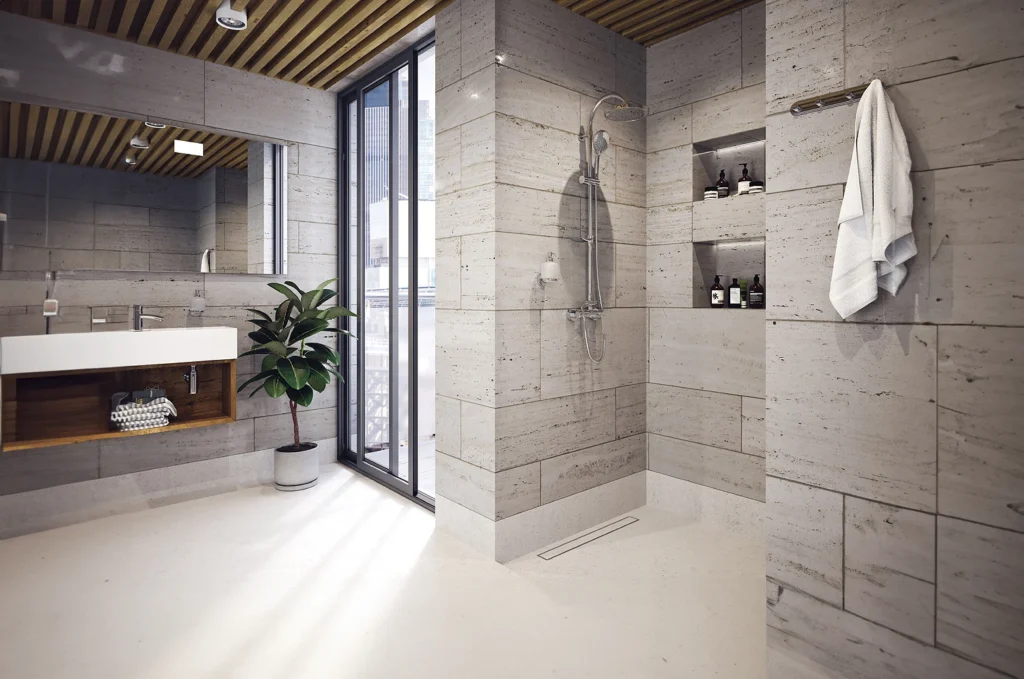
1. Understand Your Purpose: Flooring vs Walls
Before selecting marble, clearly define where it will be used.
- Flooring Marble needs to be strong, durable, and resistant to wear and tear. It should handle foot traffic and weight.
- Wall Marble can be lighter, thinner, and more decorative since it does not bear heavy loads.
For flooring, choose harder marble with low porosity. For walls, you can experiment with bold patterns, veins, and lighter stones.
2. Types of Marble: Indian vs Imported
Marble is mainly categorized into Indian marble and imported marble.
Indian Marble
- More affordable
- Suitable for Indian climate
- Easy to maintain
- Long-lasting polish
Popular Indian marbles:
- Makrana Marble
- Ambaji Marble
- Katni Marble
- Rajnagar Marble
Imported Marble
- Premium appearance
- Unique veins and colors
- Slightly higher maintenance
- More expensive
Popular imported marbles:
- Italian Marble
- Statuario Marble
- Carrara Marble
- Botticino Marble
If budget and durability are priorities, Indian marble is ideal. If luxury and aesthetics matter more, imported marble is a great choice.
3. Check Marble Hardness and Durability
Not all marble is equally strong. For high-traffic areas like living rooms, hallways, and commercial spaces, choose marble with higher hardness.
- Avoid very soft marble for floors
- Ask your supplier about compression strength
- Thicker slabs (18–20 mm) are better for flooring
Walls can use thinner slabs (12–15 mm) since strength is less critical.
4. Porosity & Water Absorption
Marble is a natural stone, and some varieties absorb more water than others.
- High porosity marble stains easily
- Low porosity marble is better for kitchens and bathrooms
- Always ask for water absorption rate
For wet areas like bathrooms, choose marble with low absorption and apply proper sealing.
5. Choose the Right Color & Veining
Marble comes in a wide range of colors and patterns. The right choice depends on space size, lighting, and design style.
- Light-colored marble (white, beige, cream) makes rooms look spacious
- Dark marble adds richness but may show scratches easily
- Heavy veining adds drama but may overpower small rooms
- Subtle veins are timeless and versatile
For walls, bold veins look stunning as feature walls. For floors, uniform patterns are easier to maintain.
6. Finish Matters: Polished, Honed & Leather
Marble finish impacts both appearance and functionality.
- Polished Finish
- Shiny and luxurious
- Ideal for living rooms and bedrooms
- Shows scratches easily
- Honed Finish
- Matte look
- Slip-resistant
- Good for bathrooms and kitchens
- Leather Finish
- Textured surface
- Anti-slip
- Unique modern appeal
Choose finish based on safety, maintenance, and design preference.
7. Thickness & Size of Marble Slabs
For flooring, thicker marble slabs provide better strength and durability.
- Flooring: 18–20 mm thickness recommended
- Wall cladding: 12–15 mm is sufficient
Larger slabs create fewer joints, giving a seamless and premium look—especially for walls and luxury floors.
8. Budget Planning & Price Comparison
Marble prices vary based on:
- Origin (Indian or imported)
- Quality grade
- Thickness
- Finish
- Transportation cost
Always compare prices from multiple suppliers. Avoid extremely cheap marble—it often indicates poor quality or hidden defects.
9. Inspect Marble Quality Before Buying
Never buy marble without inspection.
Check for:
- Cracks or fissures
- Uneven thickness
- Color consistency
- Natural holes or patches
Request samples or visit the warehouse to inspect slabs personally. This ensures transparency and better selection.
10. Maintenance & Long-Term Care
Marble requires proper care to maintain its beauty.
- Seal marble regularly
- Avoid acidic cleaners
- Clean spills immediately
- Use soft cloths and mild cleaners
- Periodic polishing increases lifespan
If low maintenance is your priority, choose marble with fewer veins and lower porosity.
11. Choose a Trusted Marble Supplier
A reliable supplier plays a crucial role in quality and after-sales support.
A good supplier will:
- Provide certified quality marble
- Offer expert guidance
- Share maintenance tips
- Ensure safe delivery
- Offer competitive pricing
Always choose a supplier with experience and good market reputation.
Conclusion
Choosing the best marble for flooring and walls requires careful planning and informed decisions. From understanding usage and durability to selecting the right color, finish, and supplier—every step matters.
Marble is a long-term investment. When chosen correctly, it enhances beauty, adds value to your property, and lasts for decades. Take your time, inspect quality, compare options, and consult experts before making the final choice.
With the right marble, your space will reflect elegance, strength, and timeless charm.